
If you have home insurance, you probably assume you’re covered when a big storm rolls through. But October on Long Island and throughout the New York area has a way of reminding homeowners that “covered” and “fully covered” are not always the same thing. Wind season is here, and before the next nor’easter or late-season tropical system comes knocking, it’s worth taking a clear-eyed look at what your policy actually pays for and where you might have gaps you didn’t know about.
What Wind Damage Coverage Typically Looks Like
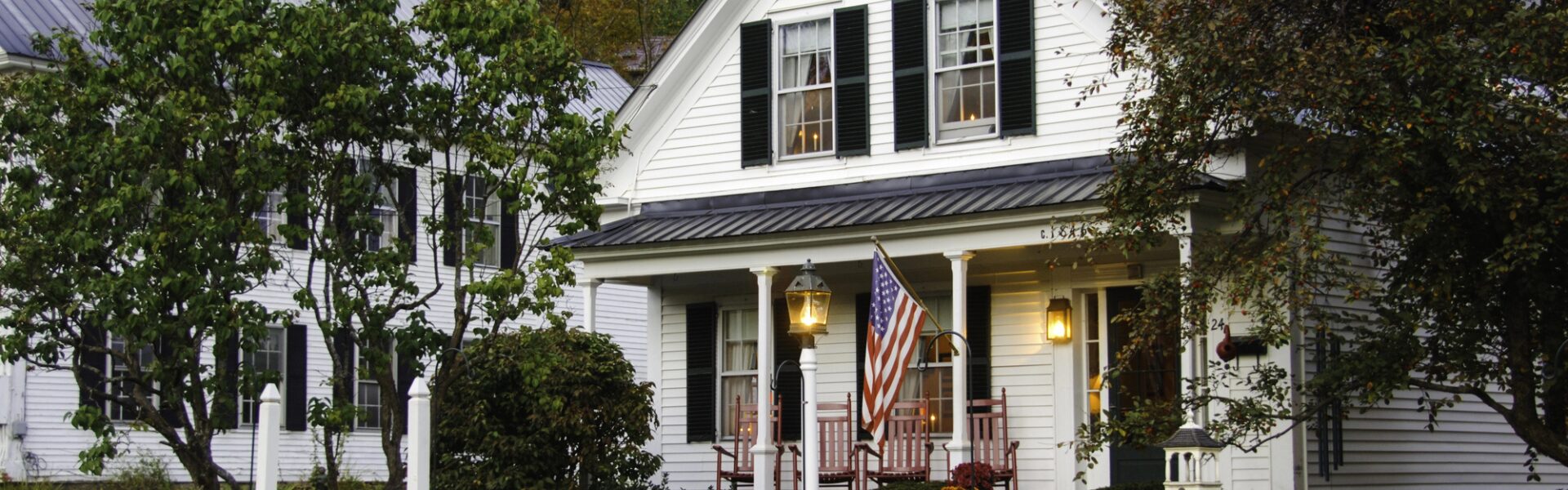
Most standard homeowners policies do cover wind damage. If a storm tears off shingles, pushes a tree through your roof, or takes out a fence, you generally have a path to a claim. That said, the details matter quite a bit. Many policies include a separate wind or hurricane deductible, which is often calculated as a percentage of your home’s insured value rather than a flat dollar amount. On a home insured for $400,000, a two-percent wind deductible means you’re absorbing the first $8,000 out of pocket before your insurer pays a cent. That surprises a lot of homeowners.
We see this come up regularly with clients across Lindenhurst, Amityville, and West Babylon, where older housing stock and proximity to the water can make storm-related claims more frequent and more costly than people expect.
Flood Is a Separate Story Entirely
This is probably the most important thing to understand heading into the stormy months. Standard home insurance does not cover flooding, even when the flood is directly caused by a storm. If heavy rain overwhelms a storm drain and water pours into your basement, that loss almost certainly falls outside your homeowners policy. Flood coverage requires a separate policy, typically through the National Flood Insurance Program or a private flood insurer.
Coastal and low-lying communities like Massapequa and Bayside see this distinction matter enormously after a significant weather event. If you’re not sure whether you carry flood coverage or what it actually includes, that’s a conversation worth having before the weather turns rather than after.
Other Coverage Gaps Worth Reviewing Right Now
Wind season is also a good prompt to look at a few other areas of your policy that tend to get overlooked.
- Detached structures. Garages, sheds, and fences are usually covered under a separate section of your policy, often at a fraction of your home’s coverage limit. If you’ve added a structure recently, check that the limits still make sense.
- Additional living expenses. If a storm makes your home temporarily uninhabitable, does your policy cover a hotel and meals while repairs happen? Most do, but the duration and dollar limits vary widely.
- Replacement cost vs. actual cash value. A policy that pays actual cash value will factor in depreciation, meaning a roof that’s fifteen years old won’t be replaced at today’s material costs. Replacement cost coverage costs a little more but closes that gap significantly.
How an Independent Agency Can Help
Because we’re an independent agency, we’re not locked into one carrier’s products or pricing. We work with multiple insurers, which means we can compare coverage terms, not just premiums, to find something that actually fits your situation. That matters in a state like New York, where coverage rules, flood zones, and carrier appetites can vary from one neighborhood to the next.
We’ve been doing this since 1987, and a big part of what we hear from new clients, many of whom come to us through referrals from neighbors and friends throughout Long Island and the surrounding areas, is that they didn’t fully understand their previous policy until something went wrong. We’d rather help you understand it now.
If you have questions about your current home insurance, want to explore flood coverage options, or just want a second set of eyes on your policy before storm season gets serious, please give us a call or drop us an email. A real person will pick up, and we’re happy to walk through it with you at whatever pace works best.