
Flood insurance is one of the most misunderstood parts of homeownership, and on Long Island, that misunderstanding can be a very expensive mistake. We hear this all the time from new clients: “I have homeowners insurance, so I’m covered if there’s flooding, right?” Unfortunately, the answer is almost always no. Standard homeowners policies do not cover flood damage, and the gap between what people assume they have and what they actually have can leave a family in serious financial trouble after a storm.
The Most Common Myth: Homeowners Insurance Covers Flooding
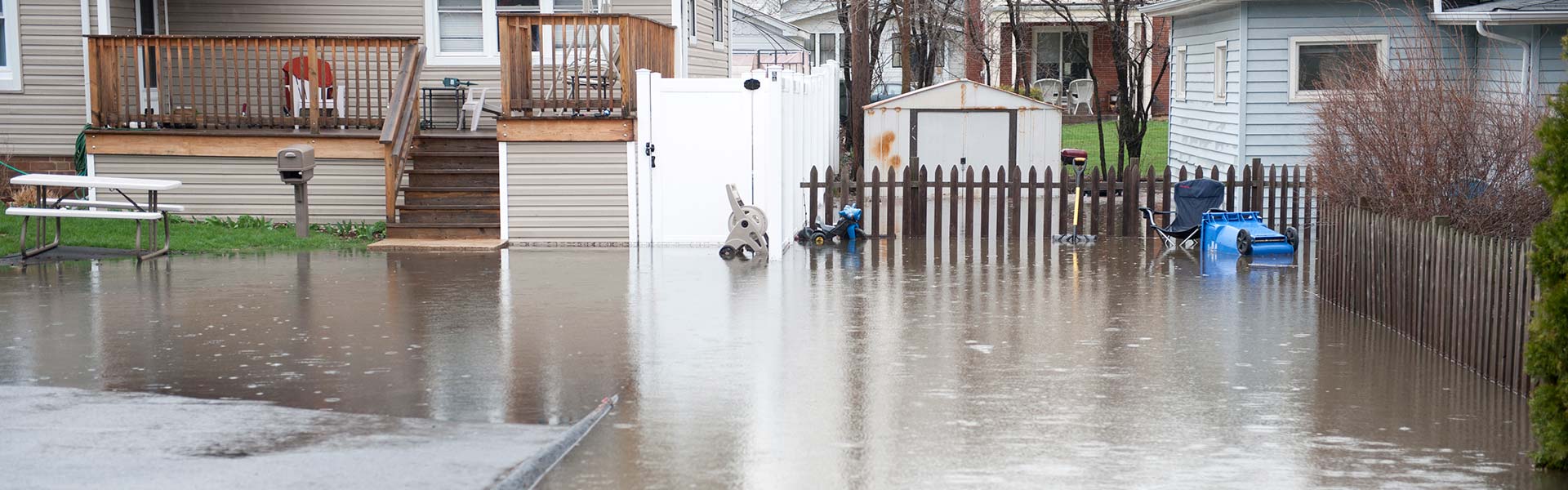
This is the big one. A typical homeowners policy covers a lot of things: fire, wind, theft, certain types of water damage from a burst pipe, and more. But rising water from outside your home, whether it comes from a storm surge, heavy rain, an overflowing creek, or a backed-up street drain, is a different story. That falls under flood damage, and it requires a separate flood insurance policy entirely.
Homeowners in Lindenhurst, Amityville, Babylon, and West Babylon know better than most how quickly water can rise. Much of Long Island sits in or near flood zones, and even areas that have never flooded before can be reclassified after FEMA updates its flood maps. If you have not checked your flood zone status recently, now is a good time.
Another Myth: “I’m Not in a Flood Zone, So I Don’t Need It”
Flood zone maps help lenders and insurers assess risk, but they are not crystal balls. A significant percentage of flood claims each year come from properties outside designated high-risk zones. Heavy rainfall, overwhelmed drainage systems, and the geography of Long Island’s South Shore all create flood risk in places people consider “safe.” Massapequa residents, for instance, deal with low-lying areas that can collect water quickly during a serious storm.
Flood insurance is not just for people who are required to carry it by their mortgage lender. It is worth considering for almost any homeowner in this region. October tends to bring nor’easters and lingering storm systems, so heading into fall is actually a smart time to review your coverage.
What About Sewer and Drain Backup?
This is where it gets a little nuanced. Water that backs up through your sewer or drain lines is also typically excluded from a standard homeowners policy, and it is not covered under a flood policy either. It is its own category of coverage, usually available as a rider or endorsement on your homeowners policy. If your basement has ever taken on water through a floor drain or a toilet, this is worth asking about specifically.
We work with clients throughout Long Island, including in Babylon and the surrounding areas, who discover this gap only after it is too late. A quick conversation before a storm is a lot less painful than sorting through a claim denial after one.
How Flood Insurance Actually Works
Most flood insurance in New York is written through the National Flood Insurance Program, though private flood insurance options have grown considerably and are worth comparing. Coverage is generally split between your home’s structure and its contents, and those are two separate coverage amounts. A lot of people who do have flood policies are surprised to learn their furniture, appliances, and personal belongings require contents coverage on top of the building coverage.
There is also a waiting period to be aware of. Most NFIP policies do not take effect until 30 days after purchase, which means you cannot wait until a storm is approaching and expect to be covered. This is one reason we encourage clients to think about flood coverage well in advance of storm season rather than in the middle of one.
Getting the Right Coverage for Where You Live
As an independent agency, we have been helping Long Islanders sort through these questions since 1987. We compare options across multiple carriers, which means we can look at both federal and private flood insurance programs and help you figure out which makes more sense for your home and your budget. Whether you are in Massapequa, Amityville, West Babylon, or anywhere else in New York State, the coverage that makes sense for your neighbor may not be the right fit for you.
Over 70% of our new business comes from referrals, and we think that says something about the way we work. We take the time to explain what you have, what you do not have, and what the options look like. There is no voicemail here either; when you call, a real person picks up.
If you are not sure whether your current homeowners policy leaves you exposed to flood damage, please give us a call or drop us an email. We are happy to take a look and give you a straight answer.